Porcelain form represents a exceptional discipline genre with a lengthy tradition, spanning back myriad of ages. From ancient receptacles to recent displays, the material offers unparalleled possibilities for creative rendering. Creators manipulate wide-ranging techniques – including assembling, wheel rotating, and intricate firing processes – to transform humble loam into exquisite three-dimensional forms. The longevity of fired brick also contributes to its status as a truly memorable part of human tradition.
Exploring Porcelain Marker Designs and Practices
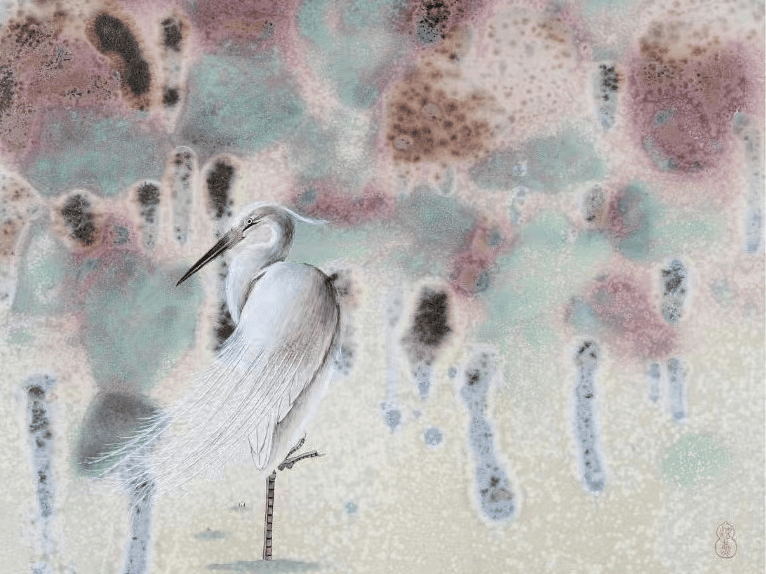
The field of ceramic emblem design offers a extensive array of artistic possibilities. Crafters often incorporate a variety of heritage-based and modern techniques to develop visually eye-catching pieces. These can move from simple, engraved reliefs to complex, multi-layered compositions. Widely practiced methods include mold making, manual molding, enameling – which can involve an array of modes like base glaze illustration, surface glaze ornamentation, and sgraffito where designs are exposed by peeling off a layer of sheen. Additional examination into exterior stylings such as raku and gloss finish can offer truly unique and customized earthenware tablets.
- Shape Forming - Assembling pieces using a mold
- Sculpting by hand - Carefully molding the soil
- Surface Finishing - Painting the layer with a silky finish
- Carved drawing - Highlighting designs by excavating shells
Mesmerizing Experiences: Brick Art Showcases
The transforming landscape of design presents exciting original avenues for participants, and ceramic art installations are at the forefront of this development. These aren't just static figurines; they are engineered to envelop the onlooker in a sensory atmosphere. Imagine stepping into a forest of towering, glazed ceramic trees, or navigating a cluster of exquisite ceramic vessels. Many designers are now incorporating sound, visuals, and even fragrance to enhance the vibe of their work. Envision the power of a room filled with hundreds of individually ceramic forms, each telling a chronicle. Frequently, such installations probe themes of natural world, memory, and personhood.
- Such installations blur the thresholds between work and venue.
- Participating in a ceramic art installation can be a deeply personal journey.
- Craftsmen are pushing the frontiers of what is accomplishable with clay.
One Radiance of the Pottery Receptacle: Use and Appearance
The ceramic container represents a impressive blend of usefulness and imaginative appeal. Historically, these vessels served a essential function in preserving contents, but their development has transformed them into highly valued works of expression. Each component showcases the dexterity of the potter, demonstrating how design can be as vital as operation. The exact shaping, the one-of-a-kind glazes, and the aggregate presence of a beautifully-crafted container can improve a space, offering both appeal and a reserved reminder of the designer’s hand.
State-of-the-art Ceramic Sculpture : Pushing Boundaries
Contemporary ceramic design represents a fascinating development from ancestral practices. Builders are enthusiastically probing with cutting-edge systems, overlapping the edges between artwork and diverse creative spheres. From immense installations to precise miniature pieces, these kinds of works explore themes of character while in unison transforming the essence of what brick can become. The product is a forceful environment of imaginative display.
Stoneware Tablet: Upholding Heritage in Stoneware
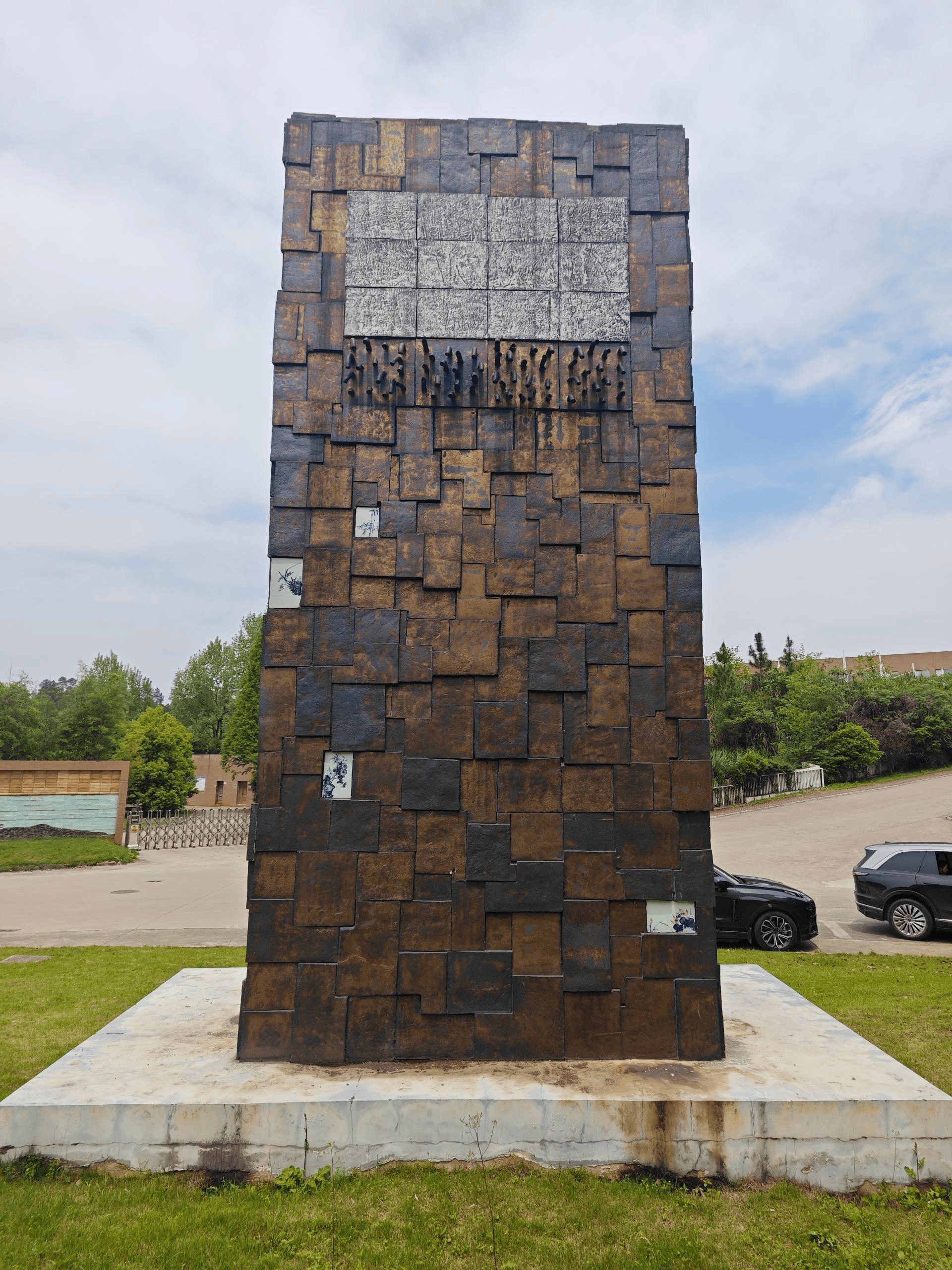
Clay plaques offer a singular method for capturing significant events and people. In contrast to traditional metal or stone markers, these resilient pieces of handiwork are formed from cooked clay, creating a real link to the history. Traditionally, they depict intricate models or vividly colored imagery, portraying stories that might otherwise be lost. That technique, dating Travel Cup Set back ancient peoples, provides a striking and permanent way to recognize our collective record.
- These can be located in general spaces.
- Many are now regarded historical objects.
Porcelain Art Assemblies: Altering Locations
Porcelain art installations are materializing a meaningful medium for creators to redefine public and private spaces. These immersive artworks frequently involve extensive clay artifacts that attract viewers, redirecting their insight of the developed environment. By incorporating diverse techniques like coil construction and elaborate firing processes, ceramic artists produce truly unique experiences, blurring the thresholds between work and location. The impact is often a powerful change that enhances the aesthetic quality of the site and promotes reflection.
From Spin Tool to Phenomenon: The Skill of the Clay Receptacle
The journey of a stoneware container from a simple lump of terracotta to a perfected work of design is a testament to human ingenuity. Customarily, the process initiates with the potter’s spinning device, where the expert artisan forms the circling earth into a cylindrical shape. This beginning process demands cleverness and a sharp eye, followed by a delicate dehydration period. Once initially cooked, the vase is ready for enhancement, which may embrace coloring intricate elements, incising detailed pictures, or utilizing a variety of varnishes. The definitive baking process then converts the component into a durable and remarkable jar, a tangible demonstration of the maker's creativity.
Forming with Earthenware: A Manual to Terracotta Practice
Exploring the domain of terracotta composition begins with understanding the fundamentals of carving with stoneware. This technique necessitates deliberately incorporating and chiseling stuff to generate three-dimensional structures. If you're a neophyte or a master artist, experimenting with different genres of brick – namely pottery – will advance you explore your personal method. Eventually, clay pottery is a rewarding undertaking that joins professional ability with imaginative expression.