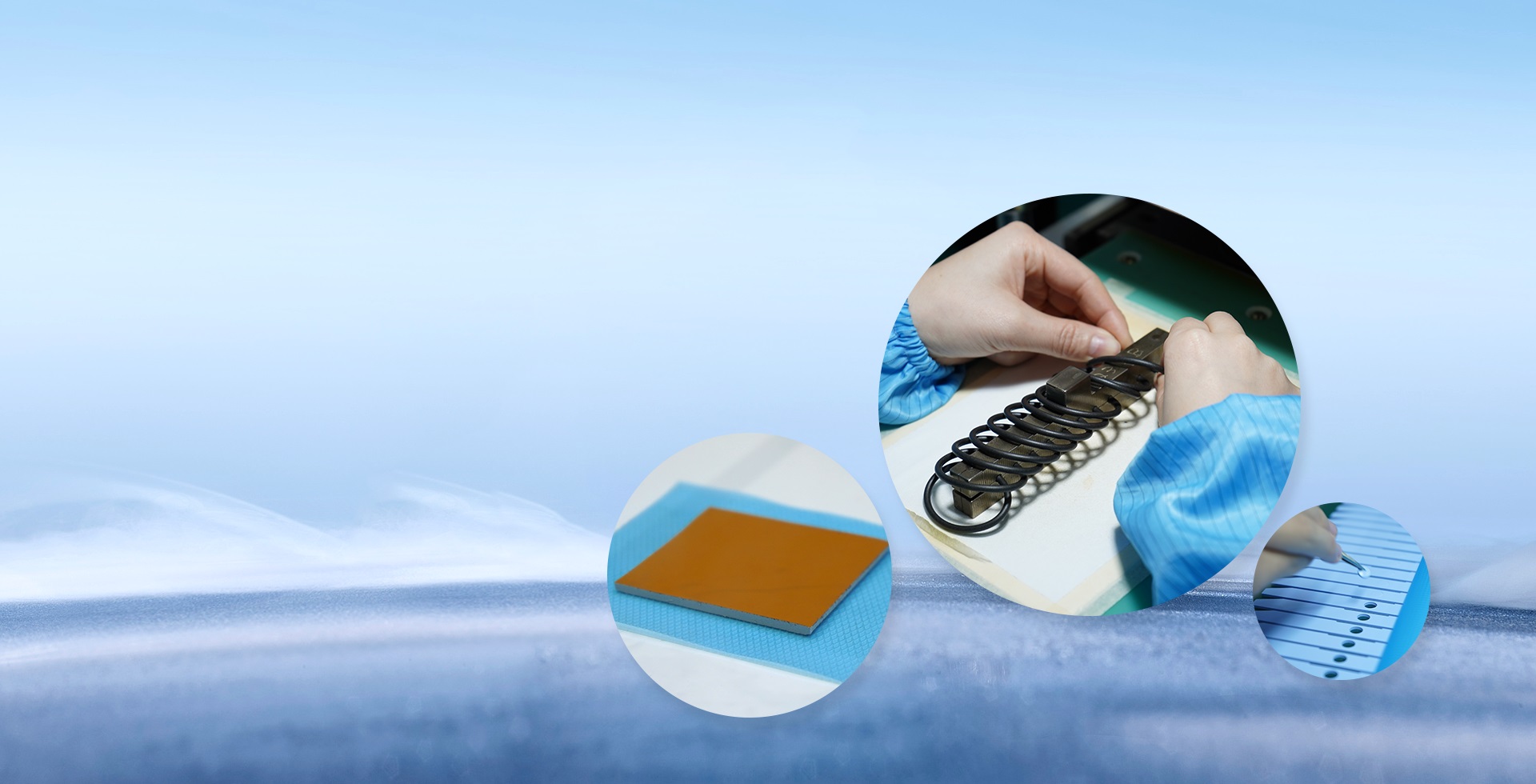
Starting an article brings insights into dimethyl polysiloxane paired with electronically active silver composite rubber interfaces regarding RFI safeguarding.
Dimethyl polysiloxane substances are commonly applied in supple implementations owing to their exceptional resilience and compound immunity. Yet, their intrinsic insufficiency of electrical transport constrains the functionality in particular electronic uses.
The inclusion of metallic nanometric components, especially silver-loaded loaded in the matrix of the siloxane elastomer, creates a integrated effect yielding a circuit-capable framework capable of high-performance electromagnetic interference reduction.
Such sealing electronic components strategies facilitate instruments to block invasive radio frequency clutter.
Protecting Device Devices: One Function of Silicone Compounds and Shielding Pads
Effective insulation of circuit assemblies is fundamental in demanding situations. Siloxane Polymers, with their outstanding softness and material durability, furnishes outstanding humidity guard characteristics. Yet with applications involving current-carrying capability, shielding pads, often engineered from conductive materials, act as obligatory to eliminate radio frequency pollution and confirm reliable functionality. A alliance of Siloxane Polymers in conjunction with electrically membranes constitutes a robust measure focused on achieving dependable operation in state-of-the-art equipment.
RFI Attenuation Components: Increasing Operation utilizing Electrical SR with silicone polymer
{Strong EMC disruption blocking pads act as imperative for defending sensitive technological apparatus and setups from unwanted dispersed carried noise. Modern designs often incorporate a composite of conductive Silicone Silicone sheet and Siloxane elastomer to ensure optimal capability. Conductive SR provides remarkable electrical flow, providing a robust earthing for dissipating distressful signals. Meanwhile, PDMS offers notable flexibility, stress relaxation, and climatic stability. Methodical material evaluation and structuring techniques, such as a narrow layer of SR within a PDMS matrix, optimize both shielding success and prolonged consistency.
- Evaluate several material assemblies according on use case stipulations
- Verify correct shutting weight for steady contact
- Analyze interfaces periodically to ratify capability
This synergistic system causes in EMI components that afford unsurpassed protection and sustainability.
Siloxane compound Conductive SR Barriers: Shielding Electronics from Signal degradation
Focusing on fragile electronic modules, electromagnetic static may cause harmful effects, triggering to glitches and records corruption. Silicone polymer conductive silver composite rubber gaskets grant durable stable measure through granting proven strong enclosure against similar obstructions. Those pads, generally constructed comprising silicone elastomer composite material mixed by metallic powders, produce a efficient conduction course allowing earth, diffusing electrical noise and electromagnetic channel obstruction energy. These pliable arrangement provides unique strong cover mainly over rough boundaries, producing such seals valuable for uses across diagnostic systems, broadband architectures, and various manufacturing contexts. Using unique Siloxane compound charge carrying silver-enhanced rubber barrier constitutes safe strategic technique intended for guarantee framework reliability alongside support working dependability.
Improving Digital Part Encapsulation with Siloxane Polymer-Based Electromagnetic Interference Shielding
Powerful instrument module shielding presents a key obstacle in current design due to mounting RF pollution. Poly-dimethylsiloxane provides a unique plan when joined with electronically active particles to create sturdy EMI protection barriers. This framework not only strengthens apparatus functionality but also diminishes potential chance of failure deriving from environmental EMI problems.
Charge-Carrying SR Upgrade in PDMS Components for Advanced EMI Defense
Leading interfaces fabricated from polydimethylsiloxane (PDMS), incorporating current conducting fillers, showcase significantly improved shielding quality against electromagnetic interference (EMI). The inclusion of substances like graphene nanotubes or nickel microflakes provides a conduit for electricity circulation, thereby creating a more durable electromagnetic barrier. This electroconductive boost in gasket workability is critical for vulnerable electronic parts requiring excellent EMI reduction in various areas. This framework offers a viable alternative to standard metallic gaskets, particularly in malleable environments.
Deciding on the Right EMI Attenuation Gasket: PDMS vs. Conductive SR Alternatives
Opting for apt electromagnetic defense seals involves intense evaluation of assorted factors. Customarily, electroconductive Silicone Rubber (SRC) has acted as a widespread option; however, Polymer Siloxane (Silicone elastomer) develops as a viable substitute, chiefly where deformation heights are constrained or matrix cooperation is critical. Silicone elastomer extends high-quality flexibility and may support restricted extents, while preserving outstanding attenuation output.
Sophisticated Sealing Technologies: Siloxane, Electronically active Silver composite elastomer, and High-tech systems Protection
Cutting-edge encapsulation methods are critically necessary for protecting fragile device units. silicone polymer, with its noteworthy compliance and molecular stability, supplies remarkable surrounding protections. Besides, electronically active silicone compound facilitates electrical discharge, avoiding electrostatic accident cases. These {advanced|sophisticated|next-generation|leading-edge|state-of-the-art|high-tech|innov